
Does this require immediate attention?
Not every medical problem is an emergency, but every medical concern deserves attention!
Ask yourself:
• Have these symptoms been the same for several days or weeks?
• Can I safely wait to contact my primary care provider?
• Am I calling because I need transportation rather than emergency medical care?
If the answer is yes, your healthcare provider or an urgent care clinic may be the best place to start.
However, if symptoms are sudden, severe, getting worse quickly, or you believe someone's life is in danger, call 911 immediately.

0 CommentsComment on Facebook
There have been at least two deer collisions with reported injury so far this week in Sequim. Likely more that have been unreported property damage only.Deer. Arguably the deadliest large wild animal. Not because deer attack people, but because of vehicle collisions. In the U.S. deer are involved in roughly 1 million vehicle collisions annually, causing human fatalities, substantial injuries, and significant property damage.
More than $10 billion annually in total damages.
An estimated 26,000–59,000 human injuries and 200–440 fatalities per year.
The Washington Department of Fish and Wildlife says more than half of all deer/vehicle collisions occur in October and November.
WSDOT studies found that "struck animal" is one of the most common crash types on the analyzed US 101 segment in East Sequim.
Reduce distracted driving.
Have your vision checked annually.
Be extra cautious while driving in dark or difficult lighting conditions.
Don’t follow other vehicles too closely.
The Washington Department of Fish and Wildlife specifically advises that when a deer collision appears imminent, drivers should take their foot off the accelerator, brake, keep a firm grip on the steering wheel, and keep the vehicle straight. WDFW explicitly says not to swerve to avoid the deer, because the resulting collision with a guardrail, another vehicle, or roadside terrain can be more dangerous.
0 CommentsComment on Facebook
Deer. Arguably the deadliest large wild animal. Not because deer attack people, but because of vehicle collisions. In the U.S. deer are involved in roughly 1 million vehicle collisions annually, causing human fatalities, substantial injuries, and significant property damage.
More than $10 billion annually in total damages.
An estimated 26,000–59,000 human injuries and 200–440 fatalities per year.
The Washington Department of Fish and Wildlife says more than half of all deer/vehicle collisions occur in October and November.
WSDOT studies found that "struck animal" is one of the most common crash types on the analyzed US 101 segment in East Sequim.
Reduce distracted driving.
Have your vision checked annually.
Be extra cautious while driving in dark or difficult lighting conditions.
Don’t follow other vehicles too closely.
The Washington Department of Fish and Wildlife specifically advises that when a deer collision appears imminent, drivers should take their foot off the accelerator, brake, keep a firm grip on the steering wheel, and keep the vehicle straight. WDFW explicitly says not to swerve to avoid the deer, because the resulting collision with a guardrail, another vehicle, or roadside terrain can be more dangerous.
4 CommentsComment on Facebook
Falls are the leading cause of injury-related death among adults aged 65 and older in the United States.Safety Tip Tuesday: Fall Prevention
Falls can happen to anyone, but they are especially dangerous for older adults and can result in serious injuries, loss of independence, and/or a long recovery. The good news is that many falls can be prevented with a few simple changes at home and in daily routines.
Look around your home for common trip hazards. Keep walkways, stairs, and doorways free of cords, clutter, pet toys, and loose items. Make sure there is good lighting throughout your home, especially in hallways, stairways, bathrooms, and near entryways. Turn on lights before walking through a dark room and consider using nightlights in bedrooms and bathrooms.
Loose rugs, uneven flooring, wet surfaces, and unstable furniture can all contribute to falls. Use non-slip mats in the bathroom and kitchen, secure rugs with backing or tape, and clean up spills promptly. Wear supportive shoes with non-slip soles instead of socks or loose slippers when walking around the house.
Handrails on both sides of stairs and grab bars near toilets and in showers can provide important support. Keep frequently used items within easy reach so you do not need to climb on chairs, stools, or countertops. Changes in medications can also affect balance, if you feel dizzy, weak, unsteady, or have changes in your vision, talk with your healthcare provider.
A quick home safety check today could prevent a serious fall tomorrow.
1 CommentsComment on Facebook
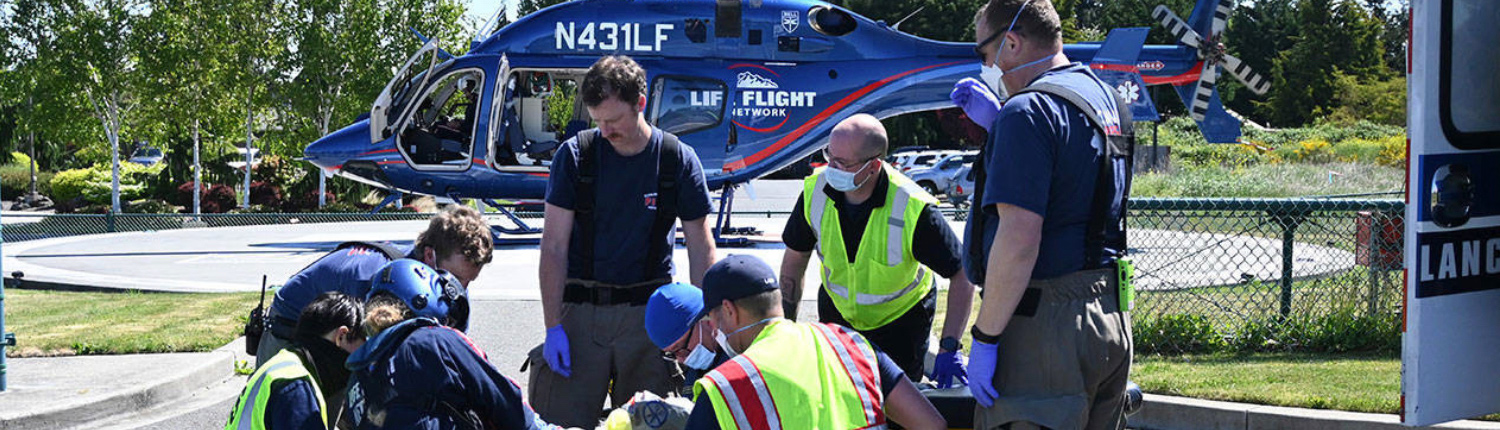
WHAT HAPPENS WHEN YOU CALL 911?
Calling 911 activates an emergency response.
Based on the situation, dispatchers may send firefighters, paramedics, law enforcement, or multiple emergency units to your location. These responders arrive with specialized equipment and advanced medical capabilities for life-threatening emergencies.
When emergency crews are assisting one patient, they may be unavailable to respond to another emergency in the community. For this reason, 911 should be used when immediate medical care, rescue, or intervention may save a life or prevent serious injury.
This is why 911 exists; for emergencies where immediate medical care or rescue can save a life or prevent serious injury.
If you're experiencing a medical emergency, call 911. Dispatchers will assess the situation and guide you through the next steps.
0 CommentsComment on Facebook
More units - more resources available for emergencies at any given time.
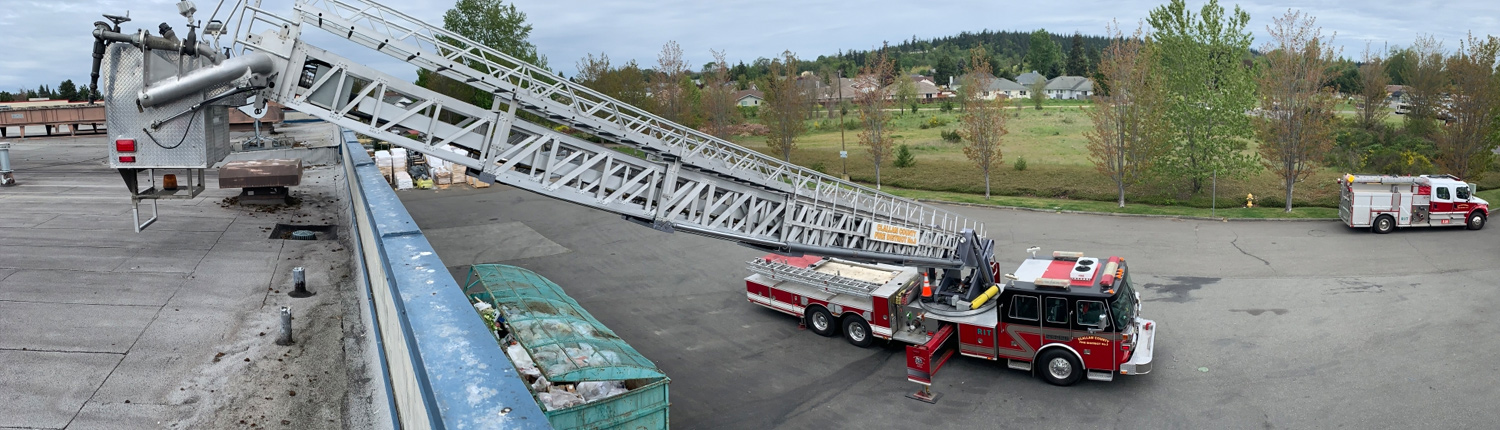
This month the Sequim area will see an increase in staffed firefighter response units. In the past, only 4 units were available most days, and the increase in simultaneous calls for service has often depleted that number - meaning there were no units left to respond to an emergency, risking significant response delays.
Voluntary overtime will be offered every shift in an attempt to increase the number of staffed units up to 6 by increasing the daily minimum staffing from 10 to 12 personnel.
This is a win for the community we serve. You deserve to have firefighters there when it matters most.
It will also be a challenge for us. We’ve already been working hard and this will be an added workload for many.
Why overtime? Because recent hiring cannot keep up with resignations/retirements and the overall number of career firefighters remains largely the same this year as call volume continues to increase.
Are property owners getting a good return on their fire department taxes? Yes. The departments in this region run more calls per firefighter than other departments in the state of Washington. That’s right, more calls per firefighter than busy cities like Seattle, Tacoma, or Everett.
Are your firefighters running so many calls because of crime and drug overdoses? No. Most calls that we respond to are due to general illness and declining health. For example, falls and lift-assists are now a large part of what your fire department responds to.
Want to help your local firefighters be successful, ready, well trained, and available for emergencies? Stay healthy, stay active, and talk to your doctor and nurses about illness and health concerns before there's a need for 911.
0 CommentsComment on Facebook